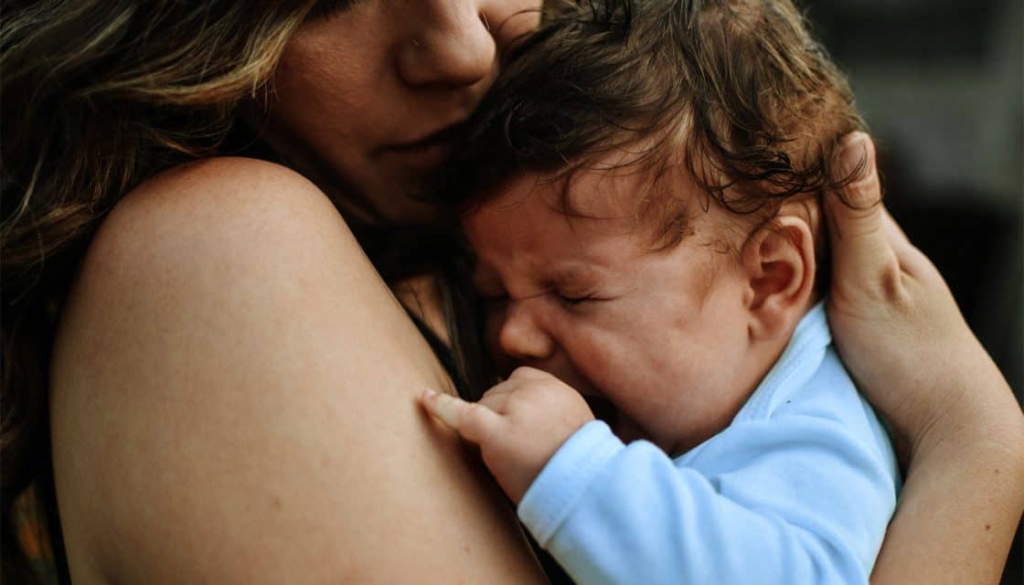
Motherhood is often portrayed as a time filled with joy, love, and fulfillment. New mothers are expected to glow, smile, and feel grateful every moment. But behind many of those smiles is a silent struggle that rarely gets talked about—postpartum depression.
Postpartum depression is not a rare condition, nor is it a sign of weakness or failure as a mother. It is a serious mental health issue that affects countless women after childbirth, cutting across age, class, education, and culture. Yet, because it does not fit the “happy mother” narrative, it is often ignored, dismissed, or hidden.
This silence is dangerous.
What Is Postpartum Depression?
Postpartum depression is a form of depression that occurs after childbirth. Unlike temporary mood swings or “baby blues,” postpartum depression is deeper, longer-lasting, and more intense. It can begin within weeks of delivery or appear months later, and in some cases, it goes unnoticed for years.

A woman with postpartum depression may look perfectly fine on the outside—caring for her baby, attending family functions, and smiling for photographs. Internally, however, she may feel empty, overwhelmed, anxious, or emotionally disconnected.
This condition is not about loving or not loving the baby. Many women with postpartum depression deeply care for their child but struggle with their own mental and emotional well-being.
Why Postpartum Depression Is So Often Hidden
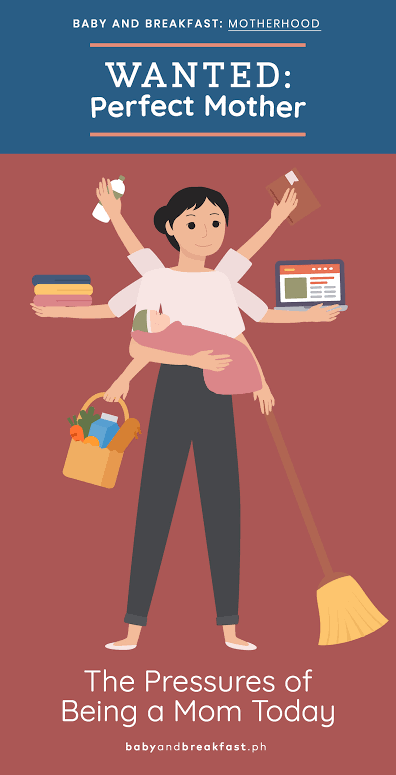
One of the biggest problems with postpartum depression is that it is rarely spoken about honestly.
New mothers are surrounded by expectations:
- “This is the happiest phase of your life.”
- “Be grateful—you have a healthy baby.”
- “Every mother goes through this.”
These statements, though often well-intentioned, silence women who are suffering. Many mothers feel guilty admitting they are struggling because they fear being judged, labeled ungrateful, or seen as incapable.
In cultures where motherhood is idealized and mental health is still taboo, women learn to suppress their emotions rather than express them. As a result, postpartum depression remains hidden behind forced smiles and polite answers like, “I’m fine.”
Common Symptoms of Postpartum Depression
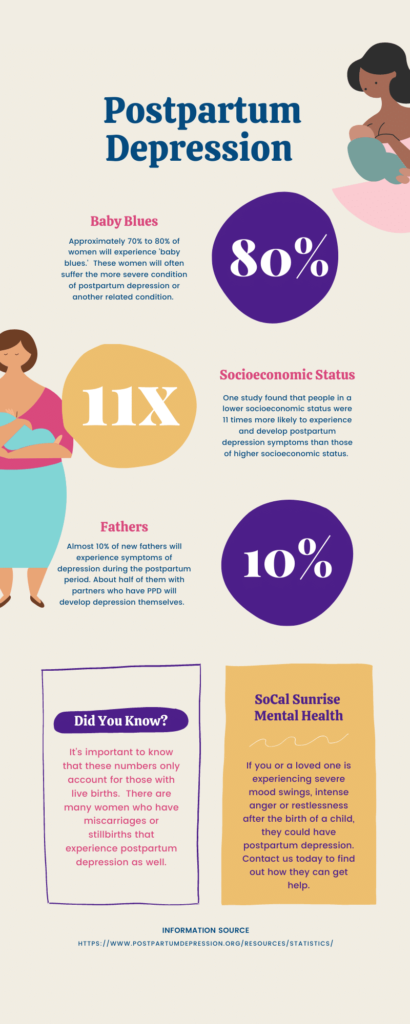
Postpartum depression does not look the same for every woman, but some common signs include:
- Persistent sadness or emptiness
- Frequent crying without a clear reason
- Extreme fatigue beyond normal newborn exhaustion
- Irritability or anger
- Feeling disconnected from the baby
- Loss of interest in things once enjoyed
- Feelings of worthlessness or failure
- Anxiety, panic, or constant worry
- Difficulty sleeping even when the baby sleeps
- Thoughts of self-harm or hopelessness
These symptoms are not something a woman can simply “snap out of.” Postpartum depression is not cured by positive thinking, motivation, or being told to “stay strong.”
The Emotional Conflict Mothers Don’t Talk About
One of the most painful aspects of postpartum depression is emotional confusion.
Many women feel ashamed because they believe they should be happy. They may compare themselves to other mothers who appear confident and content. This comparison deepens feelings of inadequacy and isolation.
Some women describe it as living in two worlds:
- The outer world where they function as a responsible mother
- The inner world where they feel broken, numb, or overwhelmed
This emotional split is exhausting and can worsen postpartum depression if left unaddressed.
Why Postpartum Depression Is Not a Personal Failure
Postpartum depression is often misunderstood as a lack of emotional strength. This belief is incorrect and harmful.
Several factors contribute to postpartum depression:
- Hormonal changes after childbirth
- Physical exhaustion and sleep deprivation
- Emotional pressure and lack of support
- Identity shifts after becoming a mother
- Past trauma, anxiety, or depression
- Social isolation
None of these factors indicate weakness. They indicate that motherhood is a profound physical and emotional transition that can overwhelm even the strongest individuals.
The Impact on Daily Life and Relationships
When postpartum depression goes untreated, it can affect every part of a woman’s life.
Relationships may suffer as the mother withdraws emotionally or becomes irritable. She may feel misunderstood by her partner or family members. Communication breaks down, and loneliness increases.
Daily tasks can feel overwhelming. Simple decisions become difficult. Self-care often disappears completely as the mother prioritizes everyone else over herself.
Importantly, postpartum depression does not make someone a bad mother. It makes her a mother who is struggling and needs support.
Why Early Awareness Matters
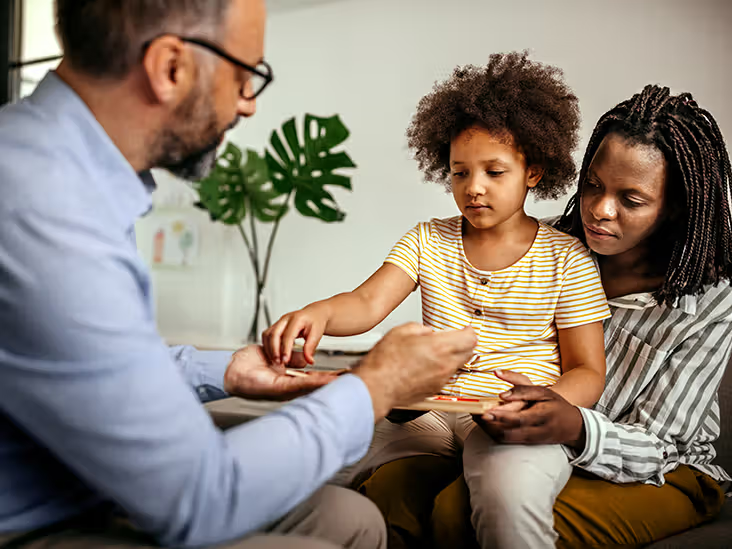
Ignoring postpartum depression does not make it go away. In many cases, it intensifies.
Early awareness allows women to recognize that what they are feeling has a name and a reason. Understanding postpartum depression helps remove self-blame and opens the door to seeking help.
Talking about postpartum depression openly also helps other women feel less alone. When one woman speaks honestly, it gives others permission to acknowledge their own pain.
Support and Recovery: What Really Helps
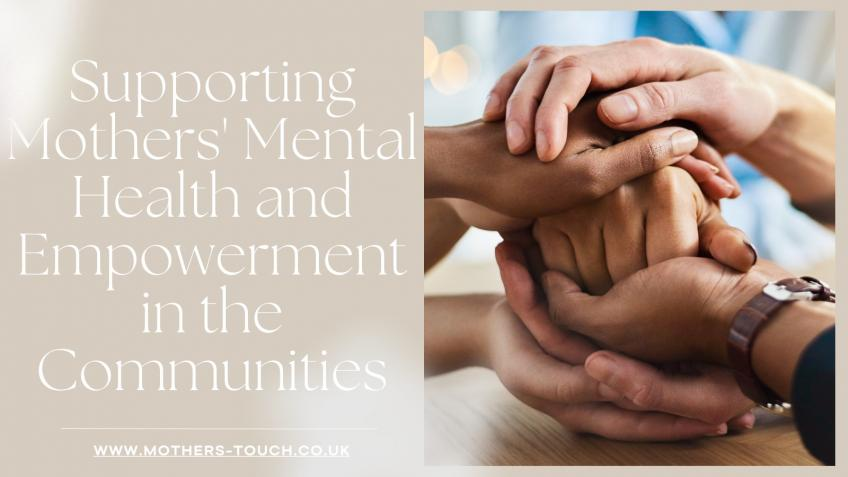
Recovery from postpartum depression is not about quick fixes. It requires patience, understanding, and support.
What helps most is:
- Being heard without judgment
- Emotional validation instead of dismissal
- Professional mental health support when needed
- A support system that shares responsibility, not pressure
Healing is not linear. Some days will feel better, others heavier. Progress does not mean constant happiness—it means learning to cope, understand emotions, and rebuild emotional stability.
Breaking the Silence Around Postpartum Depression
Postpartum depression thrives in silence. The more we avoid talking about it, the more women suffer alone.
We need to change the narrative around motherhood. It is possible to love your child and still struggle emotionally. It is possible to be a responsible mother and still need help. Acknowledging postpartum depression does not weaken motherhood—it humanizes it.
When society allows mothers to be honest instead of perfect, healing becomes possible.
Final Thoughts
“Smiling outside, breaking inside” describes the reality of postpartum depression for many women. Behind the image of a happy new mother, there may be fear, sadness, and exhaustion that words cannot easily express.
Postpartum depression is real. It is common. And it deserves understanding, not judgment.
If conversations around motherhood included emotional truth instead of unrealistic expectations, fewer women would feel invisible during one of the most vulnerable phases of their lives.
Talking about postpartum depression is not a sign of negativity.
It is a step toward compassion, awareness, and real wellness for women.